
FL5/DE5/FK8 Inlet Pipe Design from 27WON, Pt 2: Sample Parts and Validation
Welcome to part 2 of our design blog for the Turbo Inlet Pipe (TIP) upgrade for the FK8/FL5/DE5. For this next write, we wanted to focus on material selection for the cross-over tube section of the TIP and give you some temp data.
First here is a recent shot of the kit, we are getting close!
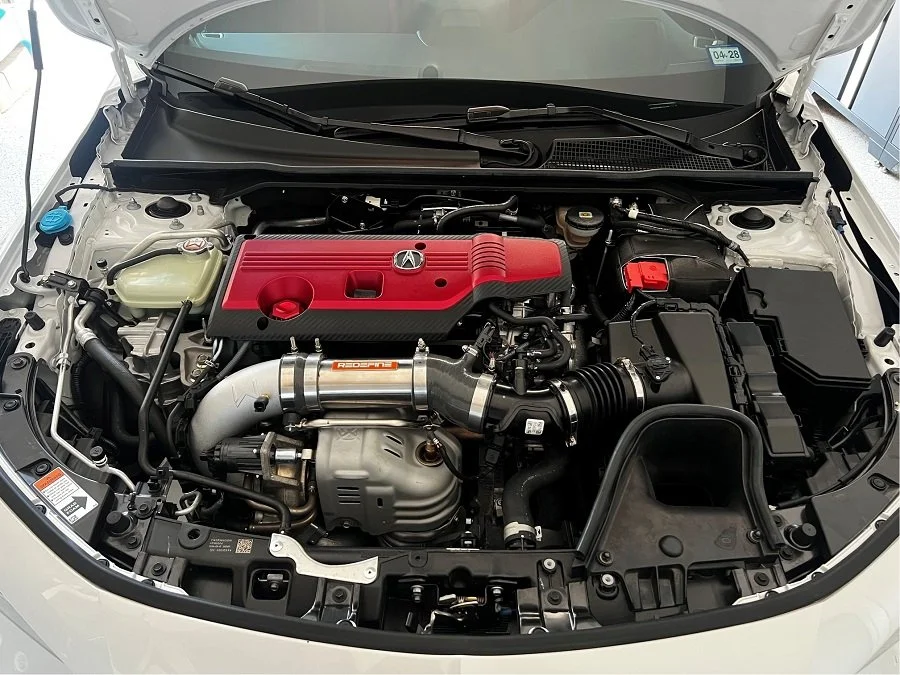
27WON FK8/FL5/DE5 Turbo Inlet Pipe (Installed)
While some of you love to have all options, some of you had questions as to which material would be the best performance-wise. Some make bold claims that x material is better than y material, etc. So for this blog we decided to put all 4x cross-over tubes to the test to see if there was indeed a difference in air temps and performance depending on which tube you run. So without further ado, let’s dive in.
SETUP:
First, the setup. All testing was done on a 100% bone stock 2026 Acura Integra Type S. No tune or other aftermarket parts installed. The only thing changed between the tests was the material of the crossover tubes. Length and overall dimensions of the tubes were exactly the same on all tests.
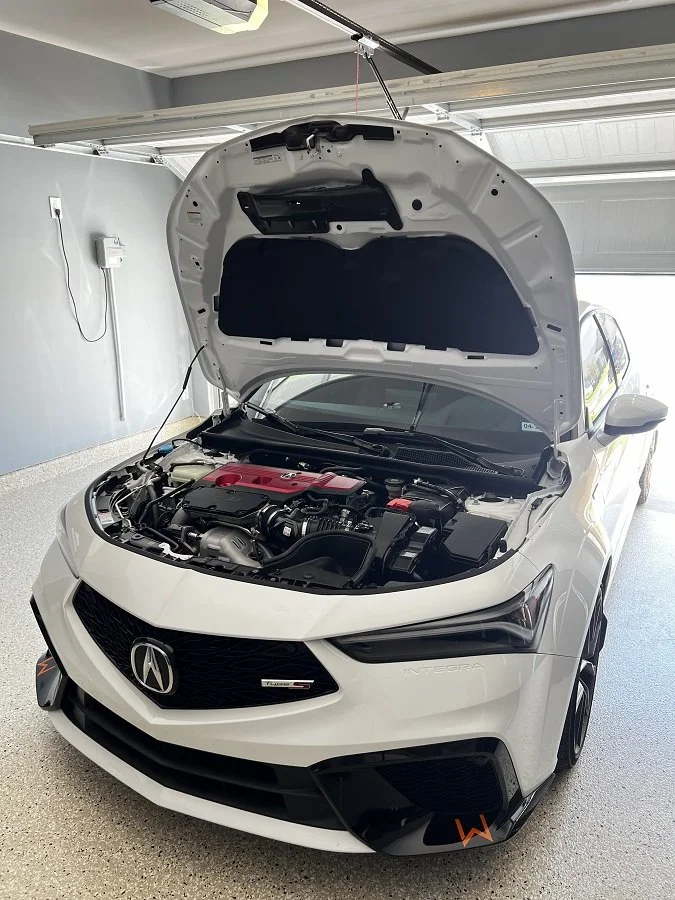
DE5 Integra Type S
Second thing to note is that it was HOT!!!! on test day. The air temperature was a crisp 100℉ throughout testing. No clouds and full sun - Just plain heat. So, we knew intake air temps would be high. With air temp of 100℉, asphalt temperatures were north of 120℉.
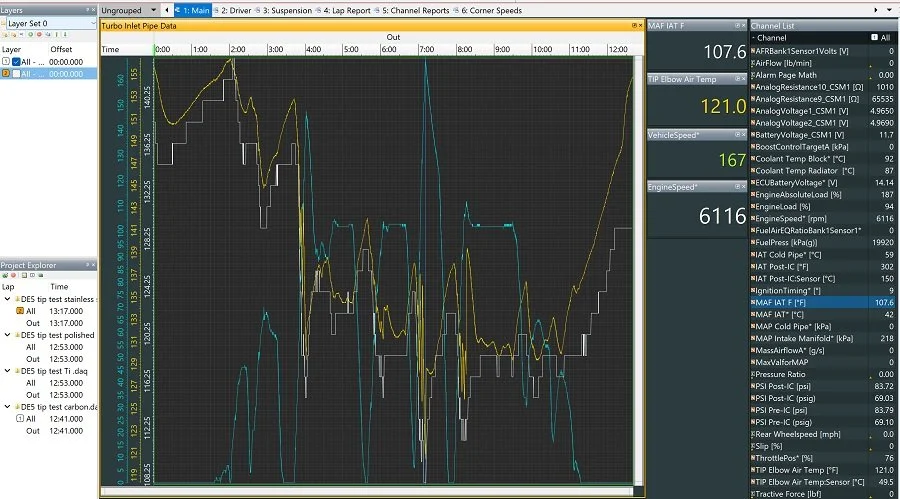
Both the OEM OBD II and an AEM CD-5, along with a 22-channel CAN logger, were used to capture our data, and it was all interpreted using AEMdata software. The 4x test runs for the 4x pipes were all taken back-to-back, and we did our best to ensure the same drive style, route, and conditions for all 4 tests to make them as identical as possible.
Check out the results below:
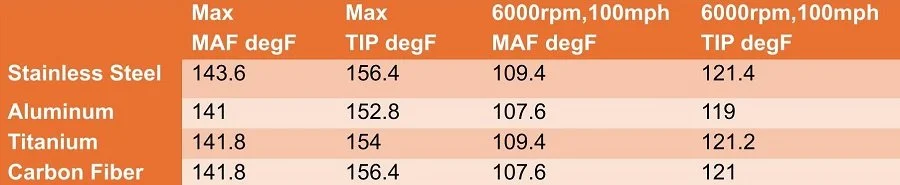
Let’s dive into these numbers a bit. Temperatures were monitored at two key points. “MAF” was the temperature of the air as measured by the Mass Airflow Sensor in the stock intake and MAF housing. TIP was measured via an AEM DTM air temperature sensor that was placed in the 27WON cast aluminum elbow piece, as shown in the picture below. This ensured that we measured air temperature right before and right after the cross-over tube.
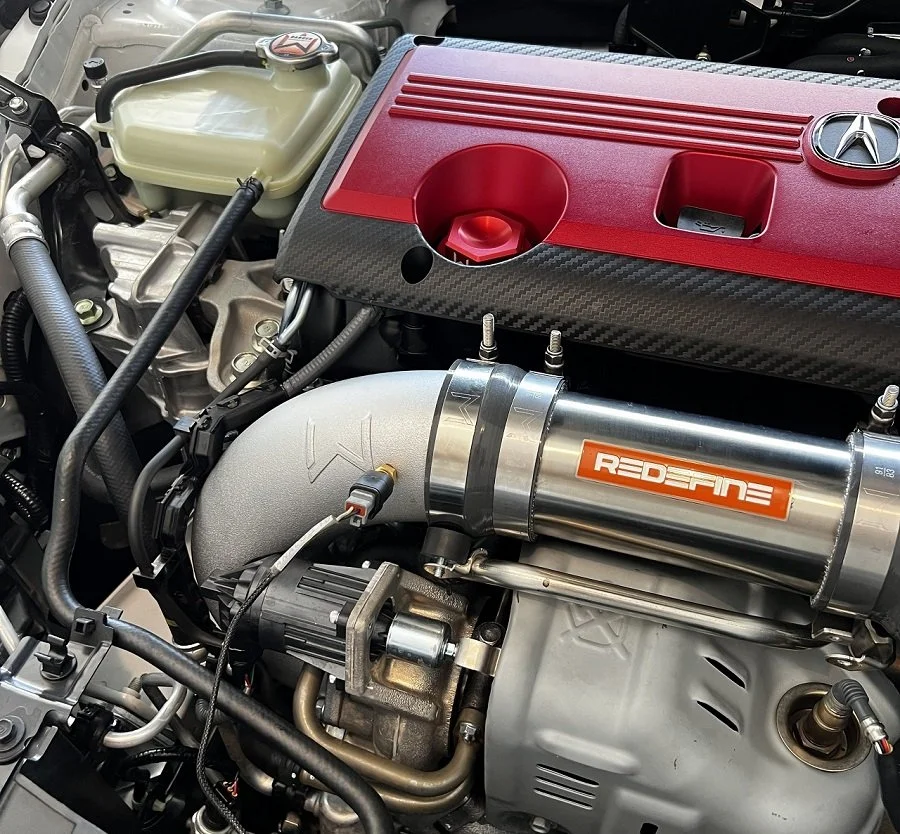
Temperature Sensor in 27WON TIP
In the table above, the first two columns labeled MAX were the highest temperature of each pipe recorded during our test cycle. The test cycle was made up of some idling, low cruising through surface streets, highway cruising, and 2 pulls, with one going to 90mph and one to 100mph.
The MAX temps for each were recorded at the end of idling, just before the car got moving again. So this is slow, stagnate air that is just sitting under the hood getting hot. No ram air moving over the radiator and car to pull heat out. You can see, on average, a 12℉ increase in air temps from the MAF reading to the TIP reading. That is temperature being picked up as the air moves through the TIP. Most of that heat comes up from the turbo downpipe and heat shield that sits right below the cross-over tube. However, it is worth noting that both the OEM and 27WON TIPs are cast aluminum units bolted to a hot turbocharger in a small engine bay. Try as we might, there is no escaping the residual heat from direct conduction of the hot parts all touching each other.
27WON TIP Testing Data Sheet
The next two columns of the table are at 6000rpm and hitting 100mph. This is more reflective of a hard pull on the road. You can see that the temperatures are significantly lower; why? Well, because we are moving a lot of air. We no longer have slow-moving hot air; we have fast-moving, cooler air from the outside going through our components. If you have read any of our intercooler blogs, you’ll understand this. Air moving is going to be cooler than that hot air not moving. Again, you will see about a 12℉ delta + or - ~2℉ across all pipes.
Conclusion:
What this data shows is there is little to no difference in air temperature depending on the cross-over tube material you select. The differences are around 2℉ which would be nearly impossible to notice. That small of a deviation can be attributed to things like the order in which we tested, heat soak of other parts, changes in air temp, and maybe one run having a bit more traffic than another despite our best efforts to replicate.
For those with a keen eye, you might say, well, that Stainless Steel is obviously the hottest. In this data set that is true but SS also got the worst test position (last). So, like it or not, we have the effects of a really hot engine bay from running the 100 deg weather 3 times prior to the SS test. Even then, you can see it is still only a few degrees.
Summing it up is to say that, regardless of the material you use for the crossover tubes, your delta in temperature is negligible, especially in the setting of a streetcar. Pick the tube you think looks the best and save whatever temperature difference is there to the people that don’t know better. ;-)
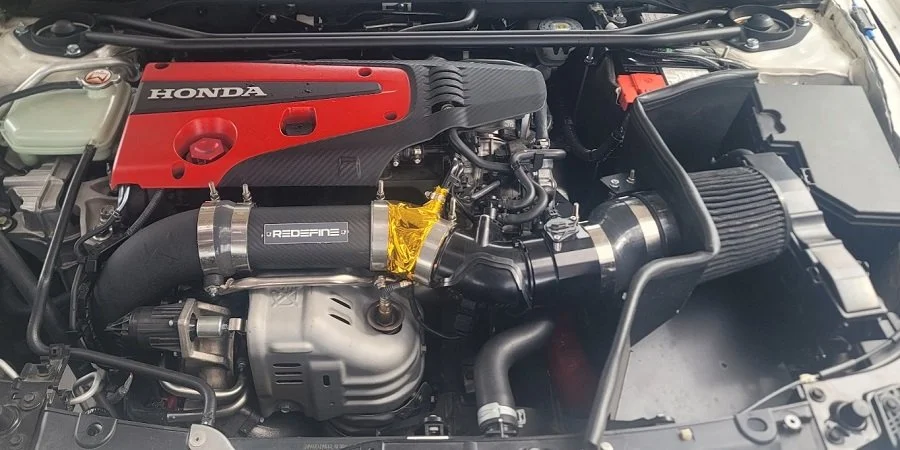
27WON FK8/FL5/DE5 Turbo Inlet Pipe & Hybrid Intake System
We are on track for release around the end of the year. I hope you guys find this information useful, and I'll catch you on the next one.
-Vincent Melon
Co-Founder 27WON